The Exuma pig rules are simple, but they make a big difference. Swimming with pigs is one of those Bahamas moments you will talk about long after the vacation ends: clear water, a white-sand shoreline, and a few curious island residents paddling out to meet the boat. The best encounters happen when visitors treat the pigs, the beach, and their crew with care.
At Pig Beach on Big Major Cay, the goal is not to get as close as possible at any cost. It is to enjoy the experience safely, take the photos you came for, and leave the animals and their home in good shape for the next guests. Your captain and crew will guide the day based on water conditions, the pigs’ behavior, and the site rules in effect at the time. Their instructions always come first.
Why Exuma Pig Rules Matter
The pigs are famous, but they are still animals with strong personalities, sharp teeth, and an understandable interest in food. Some are small and shy. Others are large, confident, and very aware that arriving boats may mean a snack. A calm, respectful approach keeps the interaction fun for your group and less stressful for the animals.
Rules also protect the beach itself. Big Major Cay is a small, beautiful island that welcomes many visitors. Loose trash, food wrappers, plastic, and careless walking through sensitive shoreline areas can quickly take away from what makes the stop special. Good guest behavior helps preserve the experience that brought everyone there in the first place.
Think of your pig swim as a shared space, not a petting zoo. You are a visitor in the pigs’ environment, and that mindset makes every decision easier.
Arrive Calmly and Let the Crew Set the Pace
The excitement usually starts before the boat reaches shore. You may see pigs moving along the beach or swimming toward the water as your vessel approaches. Resist the urge to jump in early, shout for them, or toss anything overboard. Wait until your captain says it is safe to enter and follow the route your crew recommends.
Conditions can change quickly around the cays. Wind, current, boat traffic, and the number of guests on the beach all affect how your stop is managed. On a well-organized excursion, the crew handles the practical details so you can focus on enjoying the moment. That includes where to swim, where to leave your belongings, and how to move between the boat and shore.
Once in the water, give the pigs room to choose whether they want to come closer. Do not surround them or block their path back to the beach. If a pig walks away, let it go. The most natural photos often come from simply standing still, watching, and allowing a little space.
Never Bring Your Own Food for the Pigs
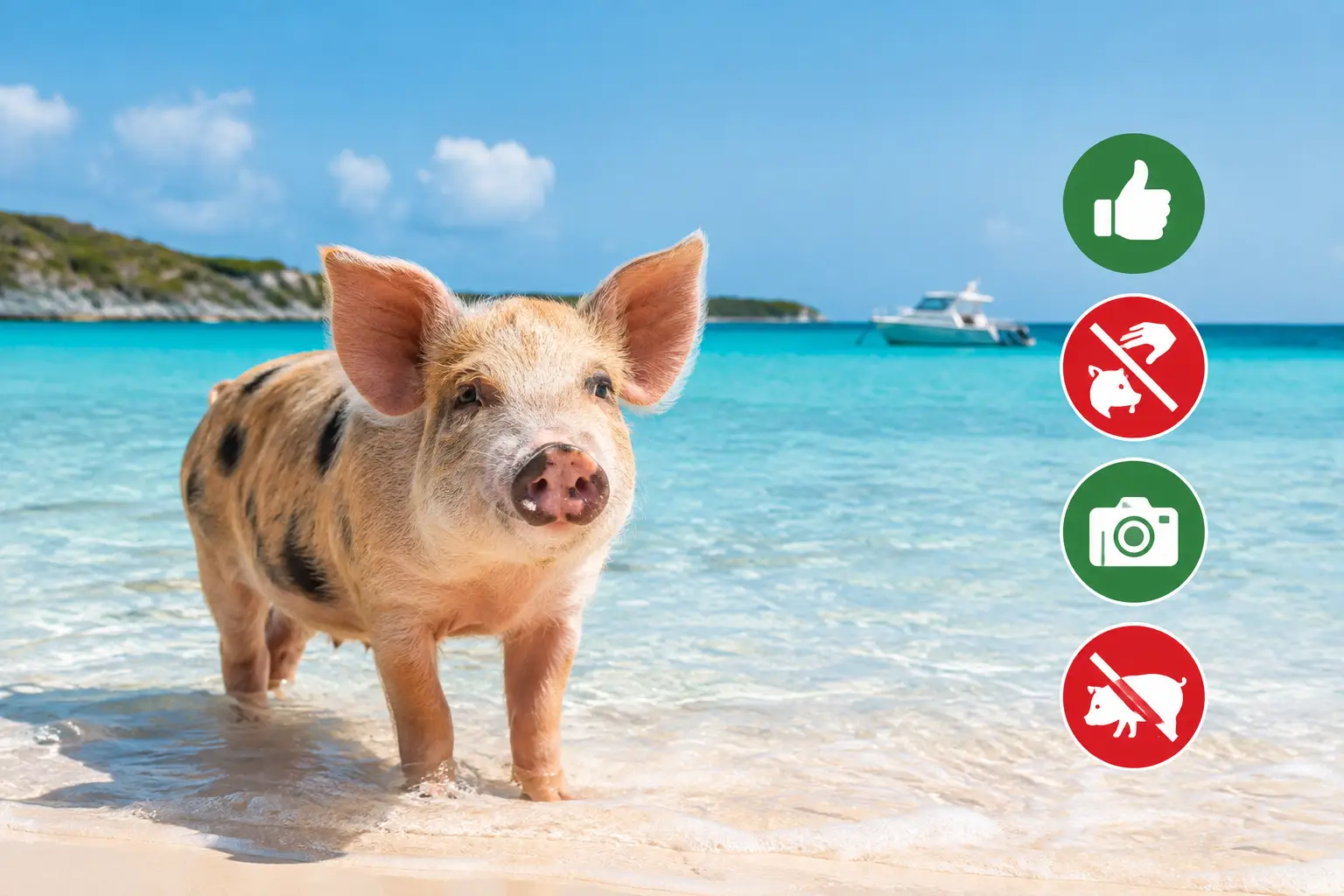
Food is the biggest reason guests can accidentally create a problem. Do not bring snacks, leftovers, fruit, bread, candy, or anything from your bag to feed the pigs. Human food may not be appropriate for them, and unplanned feeding encourages pushing, nipping, and crowding around visitors.
If feeding is permitted during your visit, use only what the crew provides and follow their direction closely. Keep your fingers away from a pig’s mouth and never wave food in the air to get its attention. That may look funny for a video, but it teaches animals to lunge toward hands and can turn a peaceful encounter into a scramble.
Do not stand between a pig and food, either. Even a friendly-looking pig may move quickly when it expects a treat. Let the crew manage the feeding moment, and keep children close by an adult rather than allowing them to offer food on their own.
Keep Hands Off, Especially Around Piglets
A photo beside a pig is a great vacation memory. Picking one up, pulling it closer, sitting on it, or trying to pose it is not. The pigs are not props, and touching them can be stressful for both the animal and the guest.
Piglets may be especially tempting to approach, but they need extra space. Their mothers can be protective, and a small pig may be more easily frightened than it appears. Admire piglets from a respectful distance and let them stay with the group.
The same rule applies to chasing. Do not run after pigs on the sand or swim after them for a close-up shot. A better approach is to position yourself nearby, keep your camera ready, and allow the scene to unfold. Your pictures will look more relaxed, and you will have a much better chance of capturing the pigs behaving naturally.
Be Smart in the Water
Most guests are thinking about the pigs, not the footing beneath them. Water shoes can make the stop more comfortable because shores may have shells, uneven sand, or rocky patches. A secure swimsuit is also a good idea, especially if you plan to wade, swim, and climb back aboard a boat during the same day.
Keep an eye on your surroundings. Do not drift away from your group, swim under or too close to the vessel, or climb on the swim platform unless the crew tells you to. If you are not a confident swimmer, say so before entering the water. A good crew can help you choose the safest way to enjoy the stop, whether that means staying in shallow water, using flotation support when available, or enjoying the pigs from the shoreline.
Families should set expectations before the boat arrives. Children need to know that squealing, grabbing, and feeding without permission are off limits. An adult should stay within arm’s reach of younger swimmers at all times. That small bit of planning helps everyone relax once the fun begins.
Leave Pig Beach Better Than You Found It
Everything you bring to the beach should leave with you. Hold onto cups, towels, food packaging, camera accessories, and sunscreen containers until you are back on the boat. Even small items can blow into the water or become dangerous for animals.
Use sunscreen thoughtfully and apply it well before the stop whenever possible. Avoid spraying aerosol products near other guests, the pigs, or the shoreline. If you bring a waterproof phone pouch or camera case, check the seal before you step into the water. Nobody wants a lost phone becoming litter on the ocean floor.
Respect other guests, too. Pig Beach can be a popular stop, and everyone deserves a chance to enjoy it. Keep music low, avoid stepping into another group’s photos, and give people space along the shore. Ask your crew before flying a drone, since site conditions and local restrictions may affect whether it is appropriate.
Plan for a Better Pig Swim
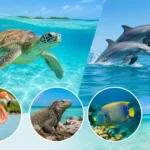
The right excursion makes these rules much easier to follow. Look for a trip that gives you clear safety guidance, experienced local crew, and enough time to enjoy the stop without feeling rushed. A full day in Exuma can pair Pig Beach with snorkeling, turtle sightings, scenic cays, and a beach break, so come prepared for a full day in the sun and saltwater.
Bring a towel, sun protection, a dry change of clothes, and a waterproof way to protect your phone. Wear something comfortable for moving in and out of the boat. Most of all, arrive with flexibility. The Bahamas is beautiful because it is wild, and the best captains adjust the plan when weather or water conditions call for it.
With Shore 2 Shore Bahamas, your crew is there to make the day feel easy while keeping the experience safe and respectful. Listen closely at the briefing, enjoy the ride between stops, and save room on your camera roll for more than just the pigs.
The perfect Pig Beach photo is not the one where you are closest to an animal. It is the one that captures a happy, safe moment in a place you helped protect.