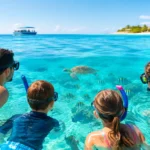
The best boat days feel effortless: you step aboard, settle in, and spend your energy looking for colorful fish instead of searching through a bag for sunscreen. Knowing what to bring on a snorkeling tour helps make that happen. For a Bahamas excursion, the goal is simple: pack light, protect yourself from the sun, and bring only the personal items that make your time in and out of the water more comfortable.
Your crew handles the boating, safety guidance, and route planning. A few smart essentials from you can make the reef stop, beach stop, and scenic ride even better.
What to Bring on a Snorkeling Tour
Start with a swimsuit you can comfortably move in. Put it on before arriving at the marina when possible. It saves time, keeps boarding easy, and means you are ready when the water calls. A rash guard is also a great choice, especially for guests who burn easily or plan to spend a long time floating above the reef. It adds sun coverage without feeling heavy once wet.
Bring a towel and a dry change of clothes for the ride back. A lightweight cover-up, loose shirt, or sundress feels especially nice after a full day of saltwater, sunshine, and ocean air. If your tour includes several stops, a second dry layer can also make the boat ride more comfortable.
Sunscreen is not optional in the Bahamas. The reflection off the water can be surprisingly strong, even when there is a breeze or passing cloud cover. Choose reef-conscious sunscreen when you can, and apply it before boarding so it has time to absorb. Reapply after swimming, toweling off, or spending extended time in the sun. Do not forget easy-to-miss spots like the tops of your feet, ears, shoulders, and the back of your neck.
A hat and polarized sunglasses are equally useful during the cruise. A wide-brim hat offers the most coverage, while a secure cap is a simple option for windy days. Polarized sunglasses help cut water glare, making the colors of the sea and the shoreline even more impressive. Just bring a strap if you would hate to lose them overboard.
Keep Your Boat Bag Light and Dry
A small waterproof bag or dry pouch is one of the most practical things you can bring. Use it for your phone, wallet, passport if you need it for travel logistics, medications, and any small electronics. Even on calm days, boat spray happens, and wet hands are part of the fun.
For most guests, a small day bag is enough. Leave bulky luggage, extra shoes, large beach blankets, and valuables you do not truly need at your hotel. The easier it is to keep track of your belongings, the more relaxed your day will feel.
If you want photos in the water, bring a waterproof phone case or waterproof camera that you already know how to use. Test the seal before the tour, and make sure the lanyard is secure. Underwater memories are worth capturing, but do not spend the entire snorkel stop looking at a screen. The best moments are often the unexpected ones: a bright blue tang passing by, sunlight dancing over the sand, or your family seeing a sea turtle for the first time.
Bring Water and Any Personal Needs
Hydration matters more than many visitors expect. Swimming, sun exposure, wind, and salty air can leave you feeling drained faster than a typical beach day. Bring a reusable water bottle if you have one, and drink regularly even if you do not feel thirsty.
Pack personal medications in a waterproof pouch. If you are prone to motion sickness, plan ahead rather than waiting to see how you feel on the boat. Talk with your doctor or pharmacist before your trip about the option that is right for you, and take it according to its directions. A light snack before departure can also help, but avoid arriving overly full.
Guests traveling with children should bring the items that keep their crew happy and comfortable: water, a familiar snack if permitted, a sun shirt, and a towel. For young snorkelers, confidence goes a long way. Let them know they can stay close to the guide, use flotation support when available, and enjoy the water at their own pace.
Do You Need Your Own Snorkel Gear?
Usually, no. Organized snorkeling excursions commonly provide the essential equipment, including a mask, snorkel, fins, and flotation devices where needed. This is convenient for travelers who do not want to use valuable suitcase space on gear they may only use once or twice during vacation.
That said, it depends on your preferences. If you have a prescription mask, a favorite mask that fits perfectly, or a snorkel setup you trust, bringing your own can be worthwhile. A well-fitting mask makes a real difference. Constant leaks or fog can distract from an otherwise beautiful reef experience.
Before packing fins, consider the trade-off. They are awkward, take up room, and are often unnecessary when quality tour equipment is available. If you are bringing personal gear, keep it to the items that improve your comfort the most. For many guests, that means a personal mask and nothing more.
What Not to Bring Into the Water
Keep jewelry, loose hats, expensive watches, and unsecured sunglasses off when you enter the water. Ocean currents, movement around the boat ladder, and a simple splash can turn a favorite item into a permanent part of the seabed.
Avoid feeding fish, touching coral, or collecting shells and marine life. Healthy reefs depend on visitors giving them space. Coral can look sturdy but is a living animal, and even a light touch can cause damage. Float calmly, keep your fins clear of the reef, and follow your crew’s instructions about where to enter and explore.
If your tour includes a famous pig encounter or beach stop, use the same common sense. Keep your belongings secure, listen to the guide, and enjoy the animals from a respectful distance. A great photo is never worth ignoring safety guidance.
Dress for the Day You Are Actually Having
A snorkeling tour is not just a swim. It is a full experience that may include cruising across brilliant blue water, relaxing at a sandbar, viewing marine life, and enjoying a beach stop. Dress for changing conditions.
Water shoes can be useful if you prefer extra protection on rocky shorelines or uneven surfaces, although they are not essential for every tour. Flip-flops work well for boarding and beach time, but choose a pair you do not mind getting wet. A light long-sleeve layer is helpful for guests who get cool after snorkeling or want more coverage during the ride home.
For a half-day trip, you may need only your swimwear, towel, sunscreen, water, and a dry pouch. Full-day adventures call for a little more planning: another layer, extra sun protection, any needed medication, and a way to keep personal items dry. Check the details of your specific excursion before departure so you know what is included and whether food, drinks, or snorkeling equipment are provided.
A Quick Pre-Departure Check
Before heading out, check that you have your swimsuit, towel, reef-conscious sunscreen, sunglasses with a strap, hat, water, dry bag, and any personal medication. Add a change of clothes and waterproof camera only if you will use them. That is enough for most guests.
The point is not to arrive with a bag full of gear. It is to feel prepared enough that, when the captain points toward clear water and the reef comes into view, you can leave the logistics behind. Pack smart, listen to your crew, and let the Bahamas do the rest.