The first moment your boat slows over clear Bahamian water can feel exciting and a little intimidating. Can beginners snorkel from boats? Absolutely, provided the outing is planned for first-timers, the conditions are comfortable, and the crew gives clear support before anyone enters the water.
For many visitors, snorkeling from a boat is actually easier than snorkeling from shore. Instead of walking across uneven rocks or swimming a long distance to reach a reef, your captain brings you closer to the colorful water and marine life you came to see. The key is choosing a well-run excursion that matches your confidence level, not trying to prove anything on your first vacation snorkel.
Can Beginners Snorkel From Boats Safely?
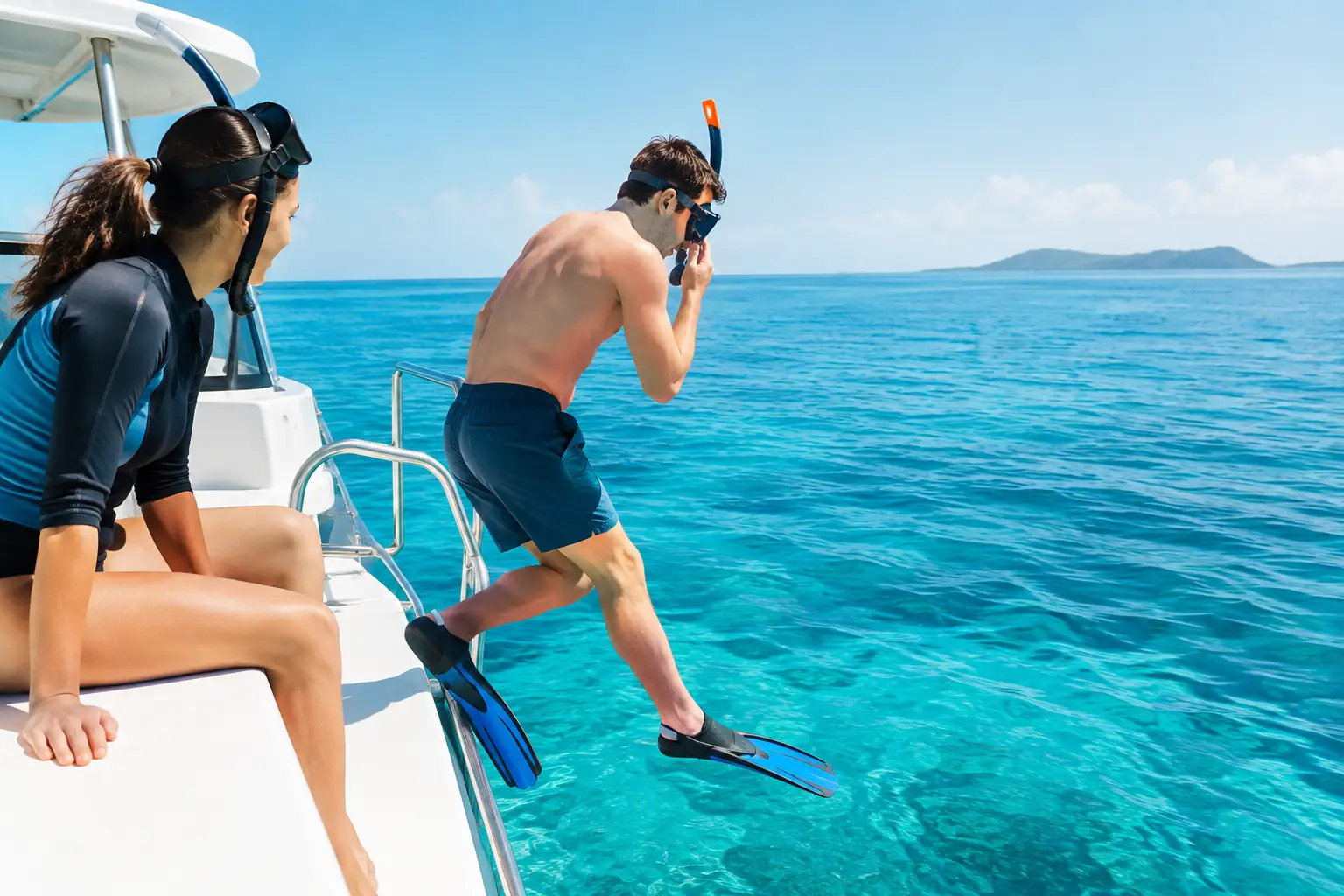
Yes. A beginner-friendly boat snorkeling stop should feel organized, unrushed, and welcoming. You do not need to be an expert swimmer, but you should be comfortable in the water and able to follow your crew’s instructions. Most guests use a flotation device, such as a life jacket or snorkel vest, which allows them to float calmly while they look down at the reef.
A good crew will explain how to clear water from your mask, breathe slowly through the snorkel, enter the water safely, and return to the boat ladder. They should also point out the best area to explore, stay nearby, and keep an eye on weather and current conditions.
The water conditions matter as much as your experience level. Calm, clear water with a gentle current makes a first snorkel feel relaxed. If waves pick up, visibility drops, or the current is stronger than expected, a responsible captain may adjust the stop or skip snorkeling altogether. That is not a disappointment – it is smart boat operation and part of keeping your day fun.
Why a Boat Can Be a Great First Snorkeling Experience
A boat opens up snorkeling spots that are often clearer, less crowded, and farther from busy beaches. In the Bahamas, that may mean shallow reef areas where sunlight reaches the seafloor and you can see schools of bright fish without having to swim far.
There is also comfort in having your home base nearby. The boat carries your towels, water, and personal belongings while you snorkel. When you are ready for a break, you simply return to the ladder, relax on deck, and enjoy the ride to the next stop. For families, couples, and groups with mixed comfort levels, this makes the experience more flexible than committing everyone to a long swim from shore.
Boat snorkeling is not automatically easier in every situation. Getting down a ladder and back aboard requires some mobility, and open-water conditions can feel unfamiliar to someone who has never worn a mask. That is why the right tour and a patient crew make such a difference. First-time snorkelers should never feel rushed to jump in or pressured to go farther than they want.
What Beginners Should Know Before Getting in the Water
You do not need a formal lesson to enjoy a guided snorkel stop, but a few simple skills will make the experience much more enjoyable. Try your mask and snorkel before entering the water. Your mask should seal comfortably around your face without being painfully tight, and the snorkel mouthpiece should feel secure.
Once you are in the water, keep your movements slow. Float first, put your face in the water, and take a few calm breaths through the snorkel. Many beginners make the mistake of kicking too hard or lifting their head repeatedly. Slow fins and steady breathing conserve energy and help you see more.
If water enters your mask, do not panic. Raise your head, hold the mask in place, and ask the crew for help if needed. It is completely normal to pause, adjust your equipment, or return to the boat for a minute. Snorkeling is meant to be a peaceful experience, not a test of endurance.
A few practical choices also help. Wear reef-safe sunscreen before departure, secure loose sunglasses and hats, and avoid a heavy meal immediately before the boat ride. If you are prone to motion sickness, consider speaking with a medical professional about options before your excursion and choose a day when you feel well rested.
Choosing the Right Boat Tour for First-Timers
Not every snorkeling tour is designed the same way. Some are built for confident swimmers who want longer water time or more adventurous offshore stops. Beginners, young children, and nervous swimmers are usually better served by a private or small-group experience where the itinerary can move at a comfortable pace.
Before booking, ask whether flotation devices are available, whether the crew provides a snorkeling briefing, and whether beginners are welcome. It also helps to ask about the expected water depth, typical conditions, and how guests enter and exit the water. A swim platform or sturdy ladder can make returning to the boat much easier.
Look for an operator that treats weather decisions seriously. A beautiful sunny day does not always mean ideal snorkeling conditions, since wind and current can change quickly. Experienced local crews know which areas tend to offer more protected water and when it is best to choose another stop.
For a group trip, be honest about everyone’s comfort level. One guest may be eager to swim with fish while another would rather enjoy the view from the deck. A quality charter can make room for both. The best day on the water is one where every guest feels included, whether they snorkel for an hour or simply dip their toes in.
Snorkeling With Children and Non-Swimmers
Children can often enjoy boat snorkeling, but age alone is not the best measure of readiness. A child who listens well, is comfortable wearing a flotation device, and enjoys putting their face in the water may be ready for a closely supervised experience. Parents should stay nearby, and the crew should know that it is the child’s first time.
Non-swimmers may still be able to participate using a life jacket or float, depending on the conditions and the operator’s policies. They should not enter the water alone, and they should be clear with the crew about their ability level. Sometimes the best introduction is simply floating beside the boat for a few minutes, looking down into the water, then deciding whether to continue.
There is no prize for staying in longer than feels comfortable. Seeing a sea turtle glide below, spotting a blue tang near the reef, or sharing one confident first look underwater can be more memorable than covering a long distance.
A Simple First-Time Snorkeling Plan
Arrive ready to listen, not worried about knowing everything. During the crew briefing, pay attention to where to enter, where to stay, the hand signals to use, and when to return to the boat. Ask questions before you get in the water. Once you are floating, stay with your group and keep the boat in sight.
Give yourself permission to take it one step at a time. Start near the ladder, practice breathing, and let the water settle around you. When you feel comfortable, follow the guide toward the reef. You will likely find that the view below quickly replaces the nerves you felt above the surface.
The Bahamas is full of unforgettable water experiences, from reef snorkeling to beach stops and famous pig encounters. With a safety-conscious crew and an itinerary suited to your group, a first snorkel can fit naturally into the day. Shore 2 Shore Bahamas is here to help guests enjoy those moments with friendly guidance, quality service, and the freedom to make the experience their own.
If you are curious but nervous, let curiosity lead and let comfort set the pace. The best first snorkel is not the boldest one – it is the one that leaves you smiling as you climb back onto the boat.