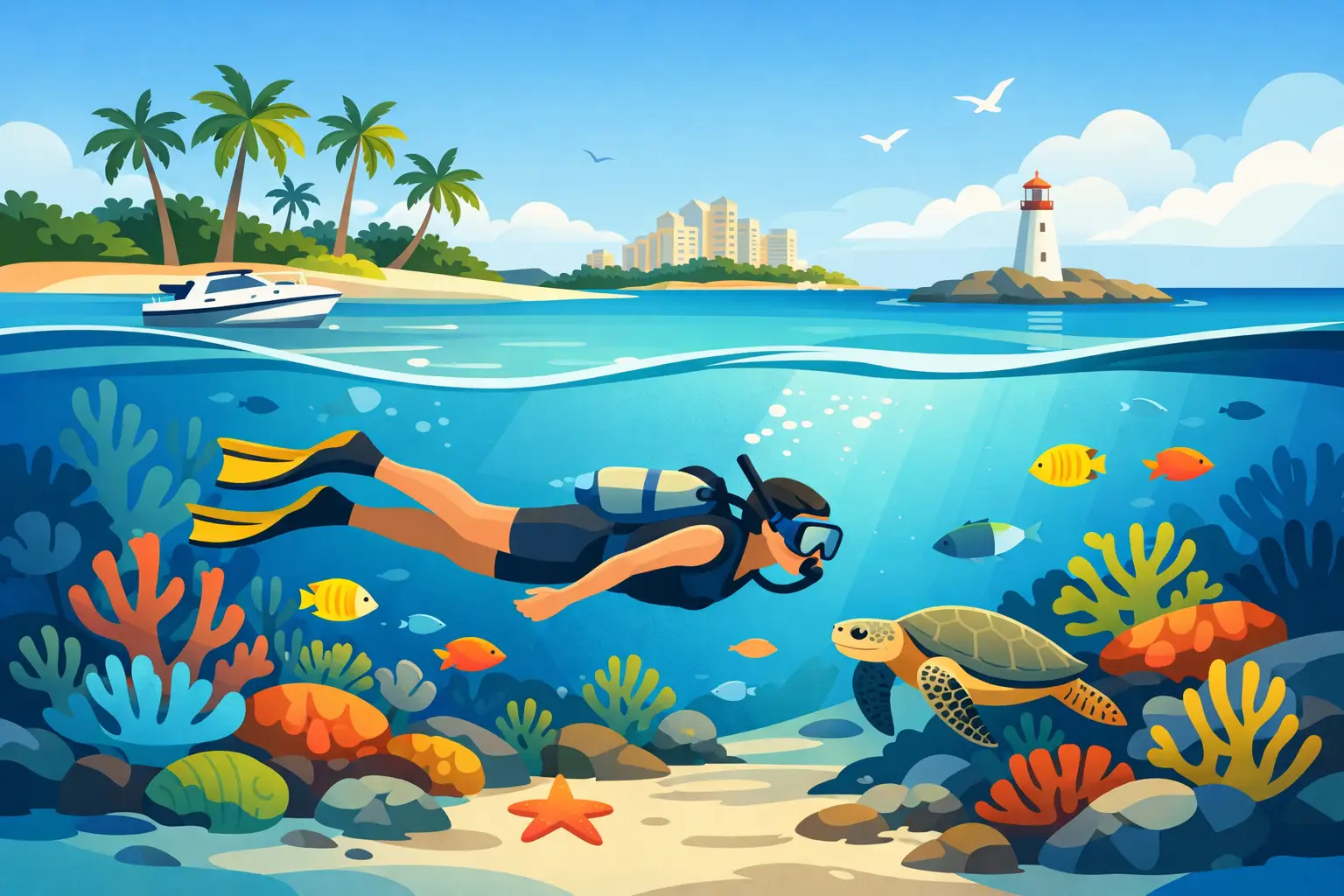
You do not need to be an expert swimmer to enjoy a great reef stop in the Bahamas. A good Nassau reef snorkeling guide starts with that simple truth. Most visitors are not looking for a technical expedition. They want clear water, colorful fish, easy logistics, and a crew that makes the whole experience feel fun and relaxed from the moment the boat leaves the dock.
That is also why reef snorkeling can make or break a vacation day on the water. When the spot is right, the gear fits, and the pace feels comfortable, snorkeling becomes the part of the trip people keep talking about long after they get home. When the stop is rushed or poorly matched to the group, it can feel stressful fast. Choosing well matters.
What makes Nassau reef snorkeling worth it
Reef snorkeling near Nassau works so well for vacationers because it delivers a lot without asking much. You do not need scuba certification, a full day of training, or a hardcore adventure mindset. You step onto a boat, head out to clear shallows or reef edges, and within minutes you can be floating above coral formations, tropical fish, sea fans, and bright blue water that looks almost unreal in person.
For families, that ease is a big advantage. For couples, it is one of those shared vacation moments that feels special without being complicated. For groups, it checks the box for a classic Bahamas experience while still leaving room for other stops like beaches, turtles, or scenic cruising.
The biggest appeal is variety. Some reef areas are calm and shallow, better for first-timers and kids. Others offer stronger color, more marine life, or a slightly more active swim. The best outing is not always the farthest one or the most hyped one. It is the one that fits your comfort level, time frame, and overall day plan.
Nassau reef snorkeling guide: how to pick the right trip
The smartest way to choose a snorkeling trip is to think beyond the reef itself. Most visitors are booking one day on the water, not a standalone snorkeling mission. That means the real question is whether you want snorkeling as the main event or as part of a bigger island-style experience.
If snorkeling is your priority, look for a trip that gives the reef stop enough time. You do not want a packed itinerary where snorkeling feels like a quick add-on between photo stops. A little extra time in the water makes a real difference, especially if some people in your group need a few minutes to get comfortable.
If your group wants a broader experience, a half-day or full-day charter with multiple highlights can be the better choice. That setup works well when some travelers are excited about the reef, while others care just as much about beach time, turtles, cruising, or iconic Bahamas stops. A well-balanced itinerary keeps everyone happy.
Boat style matters too. Smaller private or semi-private experiences usually feel more personal and less rushed. They are often a better fit for couples, families, and friend groups who want more space, more flexibility, and a crew that can give hands-on help. Larger group tours can be lively and budget-friendly, but they are not always ideal if you want a quieter pace or extra attention for beginners.
What to expect on a reef snorkeling stop
Most reef snorkeling outings begin with a short safety talk and gear setup. This is where a good crew earns trust. They should explain how to use the mask, snorkel, and fins in simple terms, point out entry and exit procedures, and tell you what the current and water conditions are like that day.
Then comes the part people usually underestimate – getting comfortable in the water. Even confident travelers can need a minute. Saltwater helps you float, which is great, but breathing through a snorkel for the first time can feel strange. That is normal. The best trips allow for that adjustment instead of making people feel left behind.
Once you settle in, the reef experience becomes much easier. You float face-down, breathe slowly, and let the scene come to you. You may see schools of small tropical fish, flashes of yellow and blue, reef structures below, and changing shades of water that shift with the sun and cloud cover. Some days are exceptionally clear. Other days may be a little windier or less bright. That is part of being on the ocean.
This is where expectations matter. Snorkeling is not an aquarium. Marine life moves, weather changes, and visibility can vary. A quality operator will choose conditions carefully, but no one can promise the exact same view every day. What they can provide is a safe, well-run stop in a beautiful setting.
What beginners should know before they book
If you are new to snorkeling, do not talk yourself out of it too quickly. Many first-timers do great, especially with calm conditions and a supportive crew. You do not need to be a strong swimmer to enjoy it, but you do need to be honest about your comfort in the water.
If you tend to feel nervous, choose a trip that is not overloaded with stops and ask whether flotation support is available. That extra reassurance can completely change the experience. Private or semi-private excursions are often a better fit for beginners because the pace feels less pressured.
Kids can enjoy snorkeling too, but age, confidence, and energy level all matter. A child who loves the pool may still need help adjusting to open water. Families usually have the best time when they treat the reef stop as flexible rather than forcing a long swim. Even a short look at the reef can be memorable if it feels fun instead of stressful.
If anyone in your group gets motion sickness, think about that before booking. A premium, well-organized boat day is still not the same as standing on solid ground. Taking precautions ahead of time is much easier than trying to recover once you are underway.
What to bring and what to skip
For most reef trips, you only need a few basics: swimwear, a towel, sun protection, and a dry change of clothes for afterward. A rash guard or light swim shirt is a smart move if you burn easily, since time on the boat and in the water adds up quickly.
Sunglasses and a hat are helpful while cruising, but keep in mind that windy boat rides and open decks are not kind to loose items. Keep it simple. Expensive accessories tend to become one more thing to worry about.
You also do not need to overpack snorkeling gear unless you strongly prefer your own. On many excursions, gear is provided. What matters more is fit and comfort. A well-fitted mask is worth more than bringing half your suitcase.
A Nassau reef snorkeling guide for families, couples, and groups
Different travelers want different things from the same day on the water. Families often want a smooth, safe outing where no one feels overwhelmed and there is enough variety to keep kids engaged. Couples usually want a scenic, more relaxed experience that still feels special and polished. Friend groups may care most about energy, photos, and fitting several standout stops into one trip.
That is why one-size-fits-all tours can be hit or miss. The right excursion should match the group, not just the destination. A shorter half-day can be perfect if you want a beautiful reef stop without committing your entire schedule. A fuller charter can be the better value if your group wants to turn the day into a complete on-water experience.
This is also where service makes a real difference. Friendly guidance, a clean boat, good communication, and a crew that reads the group well can elevate the entire outing. Shore 2 Shore Bahamas focuses on that kind of easy, guest-first experience, which matters just as much as the reef itself when you are trying to make vacation time count.
When conditions change
One of the best things you can do as a traveler is stay flexible. Ocean conditions are part of the experience, and the best crews make judgment calls based on safety, comfort, and visibility. Sometimes that means adjusting timing, choosing a different reef area, or shifting the order of stops.
That is not a bad sign. It usually means the crew is doing exactly what you want them to do – paying attention. A captain who forces the original plan in poor conditions is far less valuable than one who adapts the day to keep it enjoyable.
The trade-off is simple. You may not get the exact itinerary you imagined, but you are more likely to get a better actual experience.
How far in advance should you book?
If your vacation dates are fixed, booking early is the safer move, especially during busy travel periods. Premium boat experiences and smaller group excursions tend to fill faster because travelers value space, flexibility, and a more personal day on the water.
Waiting can work if you are flexible, but it narrows your options. You may end up choosing from what is left instead of what fits best. That matters more than people think when the goal is not just getting on a boat, but getting the right kind of day.
A good reef stop should feel easy, scenic, and well cared for from start to finish. If you choose a trip that matches your group and comfort level, the fish and coral are only part of the payoff – the real win is spending a vacation day in the Bahamas exactly the way it should feel.