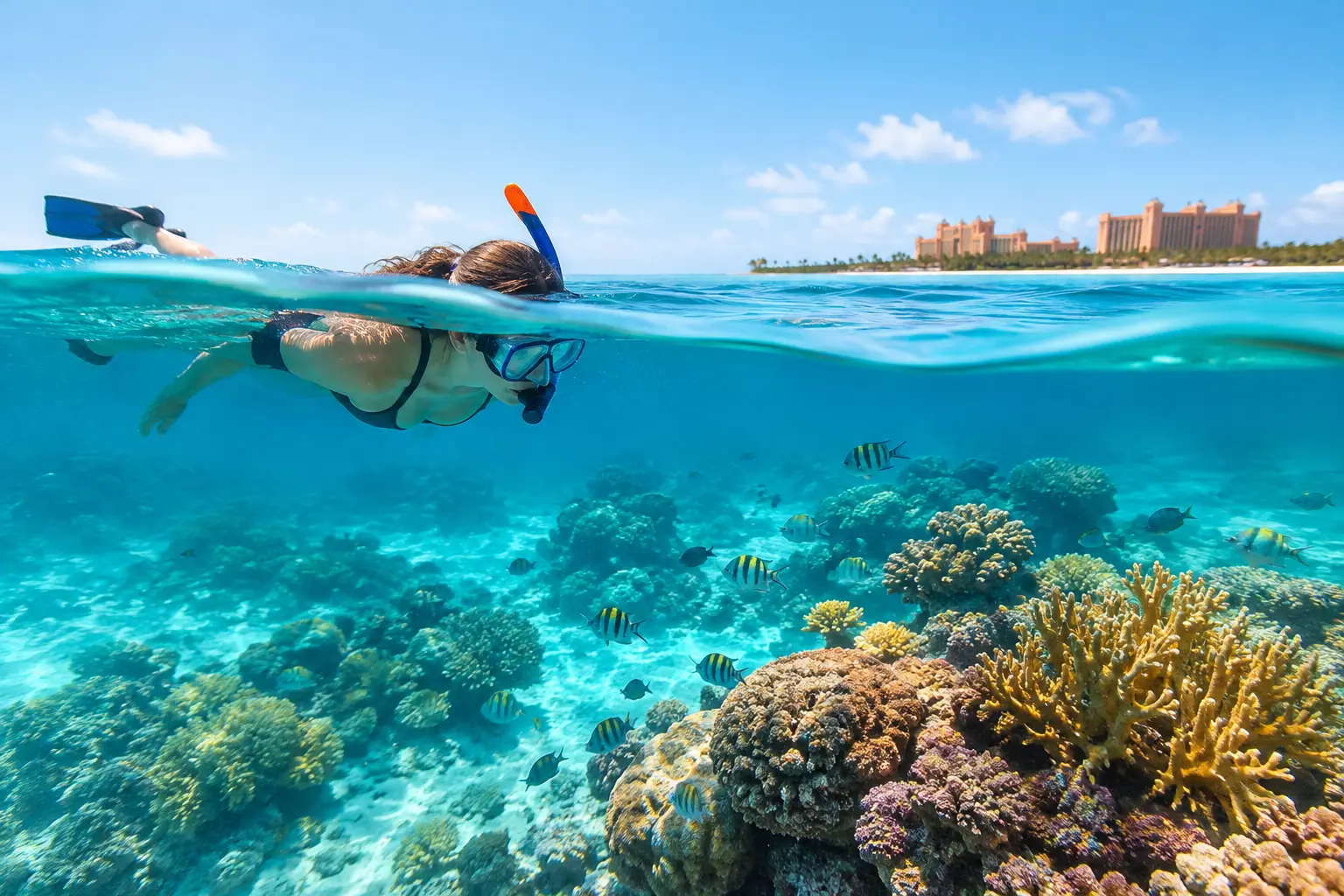
The first moment you look down through clear Bahamian water and see a coral garden beneath you, the boat ride becomes part of the story. Coral reef snorkeling is one of the easiest ways to experience the color, movement, and wildlife that make a Nassau vacation feel truly unforgettable. You do not need diving experience or technical skills. You just need the right conditions, a comfortable mask, and a crew that knows where to take you.
For families, couples, and groups planning a day on the water, snorkeling can also fit beautifully alongside other signature island experiences, from scenic cruising and quiet beach stops to turtle sightings and swimming pigs. The best day is rarely about rushing from one stop to another. It is about having enough time to enjoy each one.
What Makes Coral Reef Snorkeling So Special?
A healthy reef is not simply something to look at. It is a living neighborhood. Schools of bright fish move through coral structures, sea fans sway with the current, and rays or turtles may pass through the blue without warning. Every snorkel stop is different because water movement, light, season, and marine life all change what you see.
The Bahamas is especially rewarding for first-time snorkelers because many reef areas offer clear water and bright visibility. On a calm day, even beginners can enjoy a detailed view from the surface. You may spot blue tangs, parrotfish, sergeant majors, angelfish, and small silver fish flashing together near the reef. The colors often look even better when sunlight is high and the water is calm.
That said, wildlife is never guaranteed, and that is part of the experience. A great captain and crew can choose suitable locations based on the day’s weather, but nature sets the schedule. Some days bring glassy water and excellent visibility. Other days may call for a more sheltered stop, especially when wind or waves pick up.
Choosing the Right Snorkel Experience Near Nassau
Not every snorkel outing feels the same. A quick shared trip may be a good fit if snorkeling is the only thing on your wish list and you have limited time. A private or semi-private boat excursion can be a better choice for families, couples, and groups who want a more relaxed pace, space to spread out, and the flexibility to combine snorkeling with other attractions.
Think about who is traveling with you. Confident swimmers may enjoy a reef stop with more open water, while young children or nervous first-timers often feel more comfortable at a calm, shallow location with easy entry from the boat. Let your operator know about children, non-swimmers, mobility concerns, or anyone who feels uneasy in deep water before departure. Good planning helps the crew match the experience to your group.
Duration matters, too. A half-day excursion can be ideal when you want a memorable ocean experience while keeping time open for lunch, the beach, or other plans in Nassau. A full-day charter creates more room for multiple stops and a slower, more personalized day. If your group hopes to snorkel, visit scenic cays, see turtles, and enjoy a pig encounter, extra time makes a real difference.
Boat comfort is another practical consideration. Larger vessels may offer more shade and room, which can be valuable for multigenerational families or groups carrying towels, cameras, and snacks. Smaller boats can feel more intimate and may be a fun fit for couples or close friends. There is no single best option. The right vessel depends on your group size, preferred pace, and how much of the day you want to spend on the water.
How to Feel Comfortable in the Water
Many guests worry that snorkeling requires strong swimming skills. Strong swimmers often feel more confident, but you do not have to be an athlete to enjoy the water safely. A properly fitted flotation device, clear instructions, and staying close to the group can make the experience approachable for many beginners.
Before entering the water, take a moment to adjust your mask. It should sit comfortably against your face without being painfully tight. Place the snorkel mouthpiece gently between your teeth, seal your lips around it, and practice a few slow breaths from the boat if you are new to it. The key is to stay relaxed. Fast, shallow breathing can make beginners feel anxious, while slow breathing helps you settle into the rhythm of floating.
If water gets into your mask, do not panic. Raise your head, signal the crew if needed, and clear it using the technique you were shown. There is no prize for staying in longer than you enjoy. You can return to the boat, take a break, and try again when you feel ready.
For parents, it helps to set expectations before the boat leaves the dock. Explain to children that they will look, float, and listen to the guide. A short first snorkel session is often better than pushing for a long one. When kids feel safe, their curiosity takes over quickly.
Reef Etiquette That Protects the Experience
The most beautiful reef is one that remains healthy for the next group of visitors. Coral may look like rock, but it is made of living animals that can be damaged by a hand, foot, fin, or careless anchor. The simplest rule is to look closely without touching.
Keep a comfortable distance from coral and use gentle, controlled kicks. If you need to adjust equipment, float upright in open water rather than standing on the reef. Never chase turtles, feed fish, or try to hold marine life. A turtle gliding past at its own pace is far more memorable than a forced encounter.
Sunscreen also deserves attention. Apply it well before entering the water, and consider reef-conscious sun protection along with a rash guard or sun shirt for extra coverage. A shirt can reduce the need to reapply sunscreen across your shoulders and back, while also protecting you from the strong Bahamian sun.
Your crew’s instructions matter here. Conditions can change quickly, and guides may ask everyone to stay within a certain area, return to the boat, or skip a planned stop if weather is not cooperating. That is not a disappointment. It is a sign that safety and responsible reef access come first.
What to Bring for a Better Snorkeling Day
Most boat tours provide the core snorkeling equipment, but a few personal items can make your day more comfortable. Bring a swimsuit, towel, sunglasses, and a light cover-up for the ride back. A reusable water bottle is useful, although your tour may provide refreshments. If you wear prescription glasses, ask ahead about mask options or consider prescription snorkel inserts if you have them.
A waterproof phone pouch can be handy for photos, but do not spend the whole swim looking through a screen. The best images are often the ones you remember: your child pointing at a fish for the first time, your friends floating over clear water, or the quiet moment when the reef seems to stretch below you forever.
If you are prone to motion sickness, plan ahead. Eat a light meal, stay hydrated, and consider your preferred motion sickness remedy before boarding. Sitting where you can see the horizon and getting fresh air can help during the ride.
When Is the Best Time to Snorkel?
Morning often brings calmer water and a fresh start before the heat of the afternoon, which makes it a popular choice for families and first-time snorkelers. Midday can offer strong sunlight that brightens the reef, though it can also be hotter on the boat. The best timing depends on weather, your group’s schedule, and the route planned for the day.
Season matters less than daily conditions. The Bahamas offers snorkeling opportunities year-round, but wind direction and sea state have a major effect on comfort and visibility. A trusted local crew watches those details and selects locations accordingly. Flexibility is one of the real benefits of booking an organized excursion instead of trying to guess conditions from shore.
A well-planned reef stop gives everyone a chance to feel the Bahamas from the water, not just see it from the sand. Whether you are traveling with curious kids, celebrating with friends, or planning a relaxed day for two, Shore 2 Shore Bahamas can help turn that first look beneath the surface into a vacation moment worth talking about long after the tan fades.