A day of swimming pigs, colorful reefs, and calm Bahamian sandbars should feel exciting, not uncertain. So, do charters provide flotation devices? In many cases, yes: reputable boat operators carry required safety equipment and often have life jackets or buoyancy aids available for guests. But what is provided, when it is used, and whether it is the right fit for your group can vary by vessel, activity, and operator.
For a relaxed day on the water, asking the right questions before you board makes a real difference. It is especially helpful for families traveling with children, guests who are not confident swimmers, and anyone planning to snorkel or spend time in the water at stops along the way.
Do Charters Provide Flotation Devices for Every Guest?
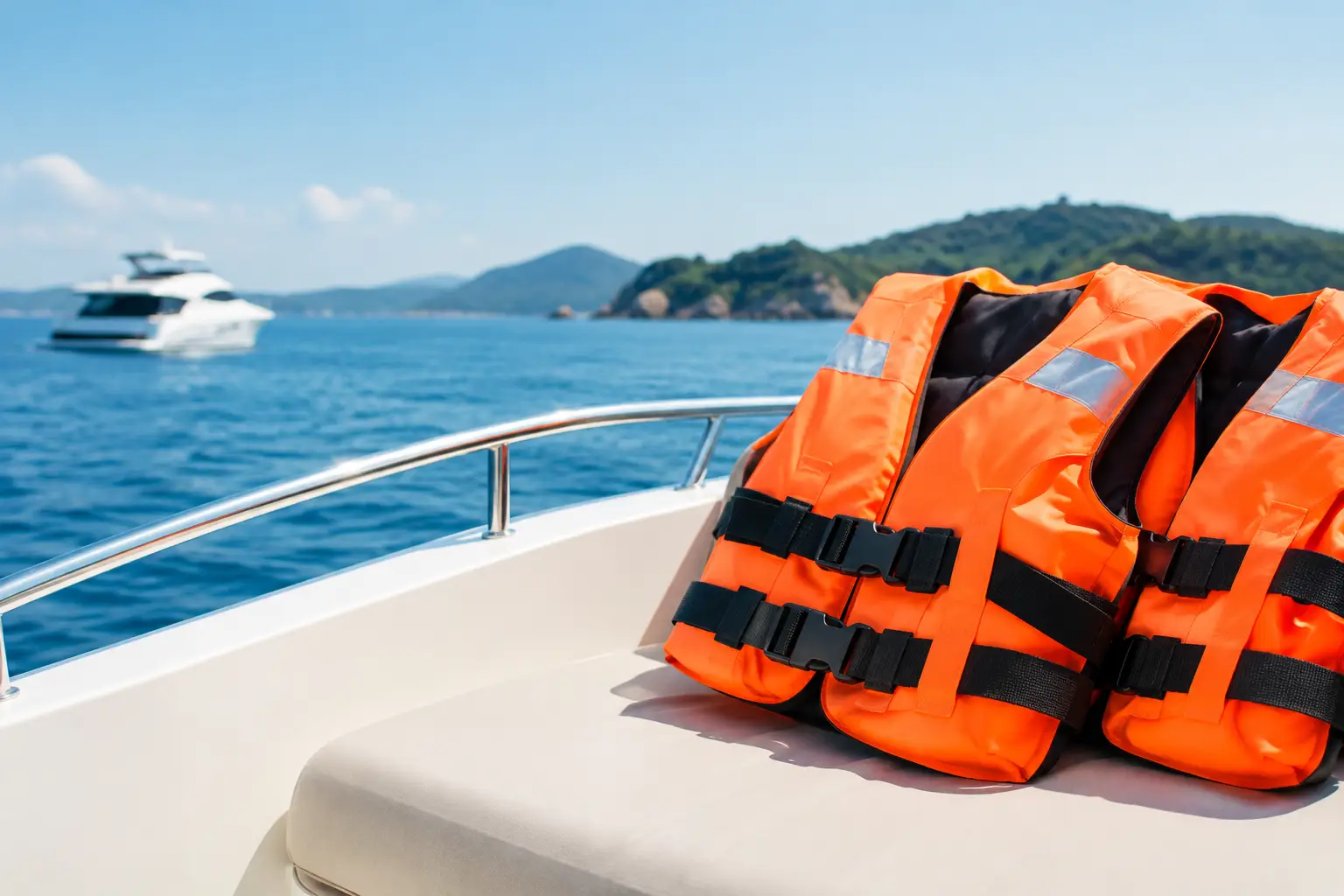
A professional charter boat should carry life jackets and other required safety gear aboard. These are essential emergency items, not just optional extras, and the crew should know where they are stored and how to use them. On a well-run excursion, the captain and crew also explain basic onboard safety before departure, including how to move around the boat safely and what to do if conditions change.
That does not always mean every guest wears a life jacket for the entire trip. On a calm scenic cruise, most adults will not need one while seated or moving around the vessel. The need changes when guests enter the water, ride in a tender, encounter rougher seas, or need extra support because of their swimming ability.
For swimming and snorkeling stops, operators may offer different equipment. A standard life jacket is designed for safety and emergency flotation, while a snorkel vest is usually more comfortable for floating face-down and enjoying the reef. Some guests also prefer a pool-style noodle or similar buoyancy aid for gentle support in calm water. Ask what your charter provides for in-water activities rather than assuming one type of device suits every situation.
Why Flotation Devices Matter on a Bahamas Excursion
The Bahamas is famous for clear, inviting water, but clear water is still open water. Currents, boat wakes, wind, changing tides, and simple fatigue can affect even strong swimmers. A flotation device gives guests a margin of comfort that lets them focus on the experience instead of working hard to stay afloat.
This is particularly valuable on a full-day itinerary with several stops. After time spent cruising, taking photos, walking beaches, meeting pigs, and snorkeling, a guest may be more tired than expected. Wearing a snorkel vest or using an approved flotation aid can keep the water portion of the day easy and enjoyable.
Flotation also supports better sightseeing. Guests who do not feel confident swimming are more likely to relax, look below the surface, and stay close to the group when they have the right buoyancy support. Nobody should feel pressured to get in the water simply because a stop looks beautiful. A thoughtful crew will help guests choose the level of participation that feels right.
Life Jackets, Snorkel Vests, and Children’s Sizes
Not all flotation devices work the same way, and fit matters as much as availability. A life jacket should be appropriate for the wearer’s size and weight, fasten securely, and not slide up around the face. For children, the correct size is non-negotiable. An oversized adult jacket is not a substitute for a properly fitted child’s life jacket.
When booking a private or semi-private charter, let the operator know the ages and approximate weights of children in your party. This gives the crew time to confirm that suitable sizes are available. If you are traveling with an infant, toddler, or a child who is not comfortable in the water, ask directly about the boat’s policies and the activities planned. Certain water stops may not be suitable for every age or confidence level, even with a flotation device.
Adults should also speak up if they need extra support. There is no prize for swimming without help. A crew can often recommend the best option for a relaxed float, whether that is a vest, a life jacket, or simply enjoying the view from the boat while others snorkel.
What to Ask Before You Book
The best time to discuss flotation devices is before your excursion day, not after the boat has left the dock. A short conversation can clarify what is included and help the operator plan for your group.
Ask whether life jackets are available in adult and child sizes, whether snorkel vests are supplied at snorkeling stops, and whether the crew can accommodate non-swimmers. It is also smart to ask about the planned water conditions and how guests enter and exit the water. A swim ladder, a crew member nearby, and clear instructions can make a big difference for nervous swimmers.
If anyone in your group has a medical condition, mobility concern, pregnancy-related restriction, or recent injury, share that information privately before booking. The crew cannot offer medical advice, but they can explain the physical demands of the tour, including boarding, swimming, using ladders, and walking on uneven shorelines. That lets you make a comfortable, informed choice.
For groups booking a premium day on the water, this kind of planning is part of quality service. Shore 2 Shore Bahamas believes a great excursion should feel organized from the first question through the final ride back, especially when guests are trying snorkeling or open-water swimming for the first time.
Flotation Devices Help, but They Are Not the Whole Safety Plan
A life jacket or snorkel vest is one useful layer of safety. It does not replace listening to the crew, staying with your group, watching children closely, or respecting the conditions at each stop. The captain may change an itinerary, shorten a swim, or recommend that guests stay aboard if weather or water conditions are not ideal. That is good judgment, not a missed opportunity.
Guests can help by being honest about their confidence in the water. Tell the crew if you are a non-swimmer, if you have not snorkeled before, or if your child is hesitant. A friendly crew would rather give you extra guidance before entering the water than have you feel anxious once you are away from the boat.
It also helps to avoid drinking alcohol before swimming or snorkeling. The combination of sun, dehydration, boat motion, and alcohol can affect balance and judgment faster than many vacationers expect. Drink water throughout the day, use reef-safe sun protection where appropriate, and take breaks in the shade.
A Quick Way to Prepare Your Group
Before leaving for the marina, make sure everyone understands that water activities are optional. Choose swimwear that stays secure, bring a towel and a dry change of clothes, and consider a rash guard for sun coverage. If a child has a favorite properly certified personal flotation device, ask the operator in advance whether bringing it aboard is appropriate, but do not rely on it without confirming it is suitable for boating and fits correctly.
Once on board, pay attention during the safety briefing, locate the life jackets, and ask questions before the first water stop. A few minutes of preparation creates more confidence for everyone, from the adventurous snorkeler to the family member who prefers to float near the ladder.
The best boat days make room for every comfort level. Choose a charter that communicates clearly, provides properly fitted safety equipment, and has a crew that treats your questions with care. Then you can step into that bright Bahamian water knowing the day was planned for fun, comfort, and peace of mind.