A boat day in The Bahamas should feel like the easy part of your vacation: blue water, favorite people, a camera full of island views, and stops you will talk about long after you fly home. Still, smart travelers ask one practical question before stepping aboard: are life jackets provided? The short answer is that reputable boat tour operators should have personal flotation devices available for guests, but the details matter – especially when you are traveling with children, planning to snorkel, or booking a private charter.
Are Life Jackets Provided on Boat Excursions?
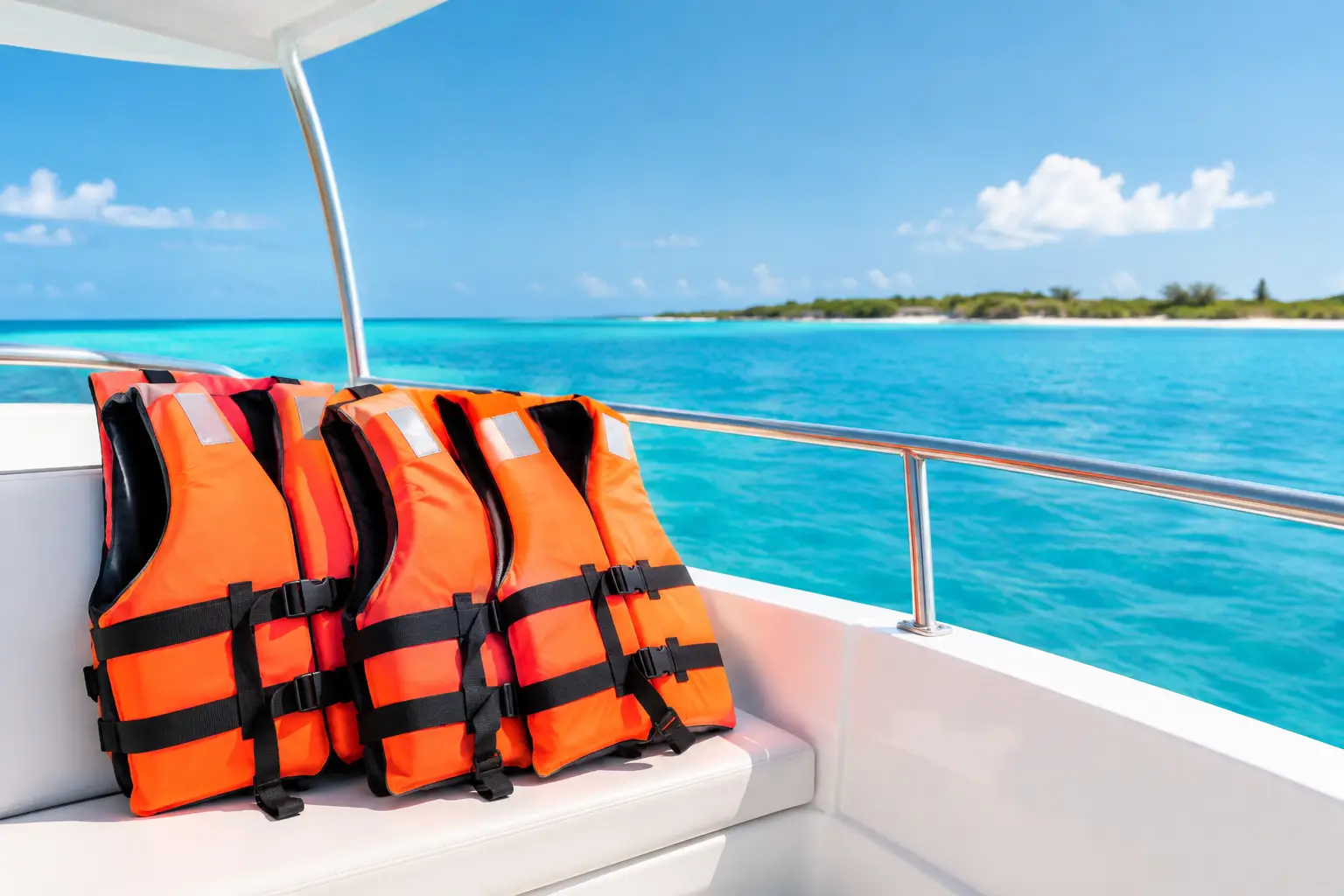
Life jackets, also called personal flotation devices or PFDs, are a standard piece of safety equipment on professionally operated boat excursions. They are designed to keep a person afloat in the water and are especially valuable in an unexpected situation, during rough conditions, or for guests who are less confident swimmers.
That does not necessarily mean every guest will wear a life jacket from the moment the boat leaves the dock. On many sightseeing, pig swimming, snorkeling, and beach tours, life jackets are kept accessible on board and the captain or crew will explain where they are located. Your crew may instruct everyone to put one on if weather changes, the ride becomes choppy, or a particular stop calls for additional flotation.
Think of a life jacket as part of the boat’s safety plan, not a sign that the adventure will be less fun. A great day on the water is built around both. You can enjoy the speed, sunshine, and unforgettable stops while knowing the crew has prepared for what the ocean may bring.
What to Expect Before the Boat Leaves the Dock
A quality tour begins with clear communication. As guests board, the crew may point out safety equipment, explain where life jackets are stored, and share basic expectations for moving around the vessel. Listen closely, even if you have been on boats before. Every boat layout is different, and local water conditions can change quickly.
On a private or semi-private excursion, the captain may tailor the briefing to your group. Families with young children need different guidance than a group of adults heading out for a full day of snorkeling and island hopping. If someone in your party is nervous around open water, mention it before departure. Friendly crews want to know so they can offer the right support from the start.
It is also normal for the crew to ask guests to remain seated while the boat is moving quickly, keep hands and feet inside the vessel, and wait for instructions before entering the water. These small steps protect everyone and help the day run smoothly.
Life Jackets for Children Need Extra Attention
If you are bringing children, do not leave the life jacket question until the morning of the tour. Ask about child sizing when you book, then share each child’s approximate age and weight. A properly fitted child life jacket is not just a smaller version of an adult vest. It needs to fit securely without riding up around the child’s face or slipping over their head.
Infants and toddlers deserve even more specific planning. Some tours have age, weight, or participation guidelines for certain activities, particularly longer rides, snorkeling stops, or swimming with pigs. The right answer depends on the vessel, sea conditions, and itinerary. Being upfront helps the operator recommend the safest and most enjoyable option for your family.
Parents should also consider how their child feels in the water. A confident swimmer may still need flotation support when waves, currents, masks, fins, and excitement are all part of the moment. A life jacket or approved flotation device can help a child relax and enjoy the experience rather than cling to a parent the entire time.
When You May Wear a Life Jacket on Your Tour
Your captain and crew will make the final call based on conditions, but life jackets are commonly used during a safety situation, in rougher water, or when a guest requests one. They can also be a welcome option for guests who do not swim well or simply prefer more support.
At snorkeling stops, the equipment plan can vary. Some confident swimmers prefer to snorkel without a traditional life jacket because it gives them more freedom to float face-down and move comfortably. Others enjoy using a flotation vest, noodle, or another crew-approved aid that helps them stay relaxed on the surface. If you are not a strong swimmer, say so. There is no prize for pretending you are more comfortable in the water than you are.
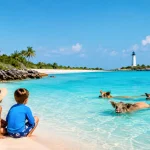
For activities near shore, such as visiting the famous swimming pigs, the crew will guide you on the best way to enter and exit the water. Even when the beach looks calm, footing can be uneven, boat traffic may be nearby, and animals can make the moment more exciting than expected. Follow the crew’s instructions and keep your life jacket on if they recommend it.
Four Questions to Ask Before Booking
Tour listings are often focused on the fun stuff: clear reefs, turtles, sandbars, beach time, and those can’t-miss Bahamian photos. Before reserving, it is still worth asking a few direct questions about safety equipment. You do not need boating experience to ask them.
- Are properly sized life jackets available for every guest on board?
- Do you carry child and infant sizes, and should we provide ages and weights in advance?
- What flotation options are available for guests who are not confident swimmers?
- Are there any weather, age, health, or mobility considerations for our chosen itinerary?
These questions also give you a feel for the operator. A knowledgeable team will answer clearly, welcome the conversation, and explain what is realistic for your group. If an excursion involves a long ride from Nassau or several water-based stops, that clarity is part of the service you are paying for.
A Life Jacket Is Only One Part of Water Safety
Life jackets matter, but they work best alongside good decisions. Wear sunscreen before boarding, bring water, and let the crew know about any health concerns that could affect your time on the boat. If you are prone to motion sickness, prepare before departure rather than hoping the ocean stays perfectly still.
Once you are out on the water, avoid overestimating your swimming ability. Saltwater, heat, currents, and a full day of activity can tire people out faster than they expect. Stay aware of the boat’s location, use the entry and exit points the crew identifies, and never swim away from the group without permission.
Alcohol can also change the equation. Vacation mode is real, but boats and open water require balance and good judgment. Enjoy your day responsibly so you can fully appreciate every reef, beach, and photo stop.
Choosing a Tour With Confidence
The best boat tours do more than take you somewhere beautiful. They make the day feel organized from the first question to the final ride back. That includes a crew that is approachable, attentive, and ready to explain what you need to know without making safety feel intimidating.
When you contact Shore 2 Shore Bahamas, let the team know who is traveling with you, especially young children, non-swimmers, or anyone with mobility concerns. Sharing those details early helps you choose a boat and itinerary that fit your group, whether you are planning a half-day escape or an all-day Exuma adventure.
Before you pack your beach bag, take one minute to confirm the life jacket plan for your specific tour. That quick conversation lets you arrive ready for the fun part: stepping onto the boat, feeling the warm Bahamian breeze, and making room in your day for a little more confidence and a lot more joy.