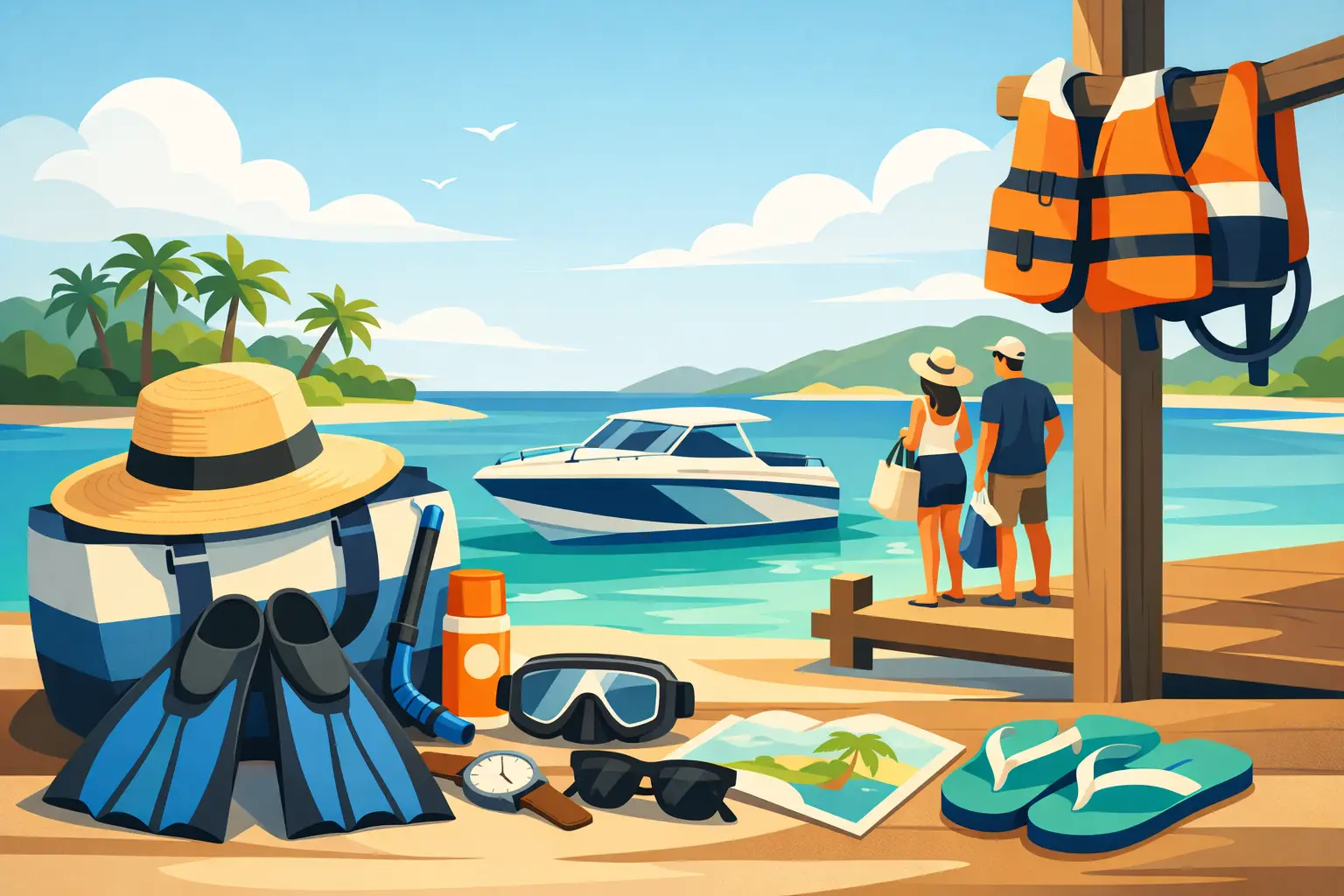
The best boat days begin before you step onto the dock. Knowing how to prepare for a boat excursion means less time searching through a beach bag and more time floating over clear Bahamian water, snorkeling colorful reefs, and enjoying every photo-worthy stop. A little planning helps your group stay comfortable from the first scenic cruise to the ride back to Nassau.
Confirm the Details Before You Pack
Start with the practical information from your tour confirmation: departure location, check-in time, excursion length, what is included, and what you need to bring. A half-day trip calls for a lighter plan than a full-day adventure with multiple stops, but both benefit from an early start and a well-packed day bag.
Arrive with time to spare. The crew needs to welcome guests, review safety information, and get everyone settled before departure. Rushing to the marina can make an otherwise easy morning feel stressful, especially when your group is coordinating transportation, children, or a hotel breakfast.
Check the forecast the evening before, but do not panic if you see a small chance of rain. Bahamas weather can change quickly, and a passing shower does not always affect a great day on the water. Your captain and crew make the final call based on marine conditions, not just a weather app. If conditions require an adjustment, a quality operator will put safety first and help make the best of the day.
If anyone in your party has food allergies, mobility considerations, health concerns, or is traveling with very young children, mention it before the excursion. Small details shared in advance give your crew a better chance to support your group comfortably.
What to Wear for a Boat Excursion
Dress for sun, saltwater, and movement. The right outfit should feel easy whether you are sitting during a cruise, climbing a swim ladder, walking on a sandbar, or stepping into shallow water for a pig encounter.
Wear your swimsuit under lightweight clothes or a cover-up. A breathable shirt and shorts work well for most guests, while a rash guard offers extra sun protection during snorkeling and swimming. Choose clothing you will not mind getting damp. Even on calm days, a little sea spray is part of the experience.
Footwear depends on the itinerary. Flip-flops are convenient for the dock and beach stops, but water shoes can be useful if you prefer more grip on sandy, rocky, or wet surfaces. Avoid shoes that are hard to remove or that you would hate to lose in the water.
Bring a hat that fits securely and sunglasses with a strap if possible. The Bahamas sun is bright, especially when it reflects off the water. A loose hat can disappear quickly in a gust of wind, so a simple chin strap can save it.
Pack Light, but Pack Smart
A boat has room for your essentials, not your entire vacation closet. One soft-sided bag per person or family is usually more practical than bulky luggage. Soft bags are easier to stow and keep walkways clear.
Your core items should include reef-safe sunscreen, a refillable water bottle if permitted, a towel, sunglasses, a hat, and a dry change of clothes for after the tour. Add a small waterproof pouch for your phone, card, cash, and any medication you may need during the day.
For a full-day boat excursion, consider these useful extras:
- A light long-sleeve cover-up or rash guard for midday sun
- A waterproof phone case or dry bag for photos near the water
- Motion sickness medicine, patches, or bands if you are prone to seasickness
- A small snack if your tour information suggests bringing one
- A waterproof camera or action camera with a secure wrist strap
Leave expensive jewelry, unnecessary valuables, and large hard coolers behind unless your operator specifically says otherwise. Saltwater, sand, and crowded travel days are not ideal conditions for items that are hard to replace.
Plan Ahead for Sun and Hydration
Sunburn can turn a dream vacation into an uncomfortable few days, so treat sun protection as part of your excursion plan, not an afterthought. Apply sunscreen before leaving your hotel, then reapply as directed after swimming, sweating, or toweling off. Do not forget commonly missed spots such as the tops of your feet, ears, shoulders, scalp line, and the back of your neck.
Reef-safe sunscreen is a thoughtful choice when you will be snorkeling or swimming around marine life. It helps you enjoy the water while making a more responsible choice for the reefs and beaches that make the Bahamas so special.
Hydration matters just as much. Between the tropical warmth, salty air, swimming, and excitement, it is easy to realize you have not had enough water. Drink water before boarding, take regular sips throughout the day, and limit alcohol if you know the heat affects you. A refreshing drink can be part of the vacation fun, but feeling clear-headed helps you fully enjoy every stop.
How to Prepare for a Boat Excursion if You Get Seasick
Many first-time guests worry about motion sickness, but preparation makes a major difference. If you are sensitive to car rides, roller coasters, or rough water, choose your preferred remedy before the morning of the trip. Over-the-counter options work best when taken according to their instructions and often before symptoms begin. If you take prescription medication or have a medical condition, ask your healthcare provider what is appropriate for you.
On board, sit where you feel most stable, usually toward the center or rear of the boat. Look toward the horizon rather than down at your phone, get fresh air, and sip water. Avoid arriving on an empty stomach, but skip a heavy, greasy breakfast. Something simple and filling is usually the better choice.
Sea conditions vary by season, route, and weather. Even guests who never get sick may feel a little different on an active ride, while others are completely comfortable all day. Be honest with the crew if you are not feeling well. They are there to help, not judge.
Be Ready for the Water Experiences
A Bahamas boat excursion often includes more than a pretty cruise. You may snorkel above a reef, swim near turtles, walk a beach, or meet the famous swimming pigs in Exuma. Each experience is more enjoyable when you come prepared to listen, move carefully, and follow local guidance.
If you are snorkeling for the first time, tell the crew. They can explain how to use your mask and snorkel, where to enter the water safely, and how to stay comfortable. Do not rush to tighten your mask before checking the fit. A relaxed seal around the face is more comfortable than pulling the strap too tight.
At wildlife stops, give animals space and follow the crew’s instructions on feeding, touching, swimming, and taking photos. The goal is a fun, respectful encounter that protects both guests and animals. This is especially true around pigs, turtles, fish, and coral. Never stand on coral or chase marine life for a closer picture.
Parents should talk with children before boarding about staying near adults, waiting for permission before entering the water, and listening when the crew gives instructions. Life jackets and flotation support can help less-confident swimmers enjoy the day with greater peace of mind.
Bring the Right Mindset for a Better Day
The most memorable excursions leave room for the unexpected: a stunning stretch of blue water, a curious fish near the reef, a quiet beach moment, or a laugh when someone gets splashed on the ride. Keep your itinerary expectations realistic. Boat days are shaped by conditions, timing, and the natural environment, which is part of what makes each one feel special.
Shore 2 Shore Bahamas is built around helping visitors enjoy these signature island experiences without having to manage the on-water logistics themselves. Once you have arrived prepared, let the crew handle the route, safety details, and local know-how while you focus on your people and the view.
Charge your phone, pack the essentials, arrive ready for the sun, and give yourself permission to enjoy the ride. The Bahamas looks different from the water, and a well-prepared day gives you the freedom to take it all in.