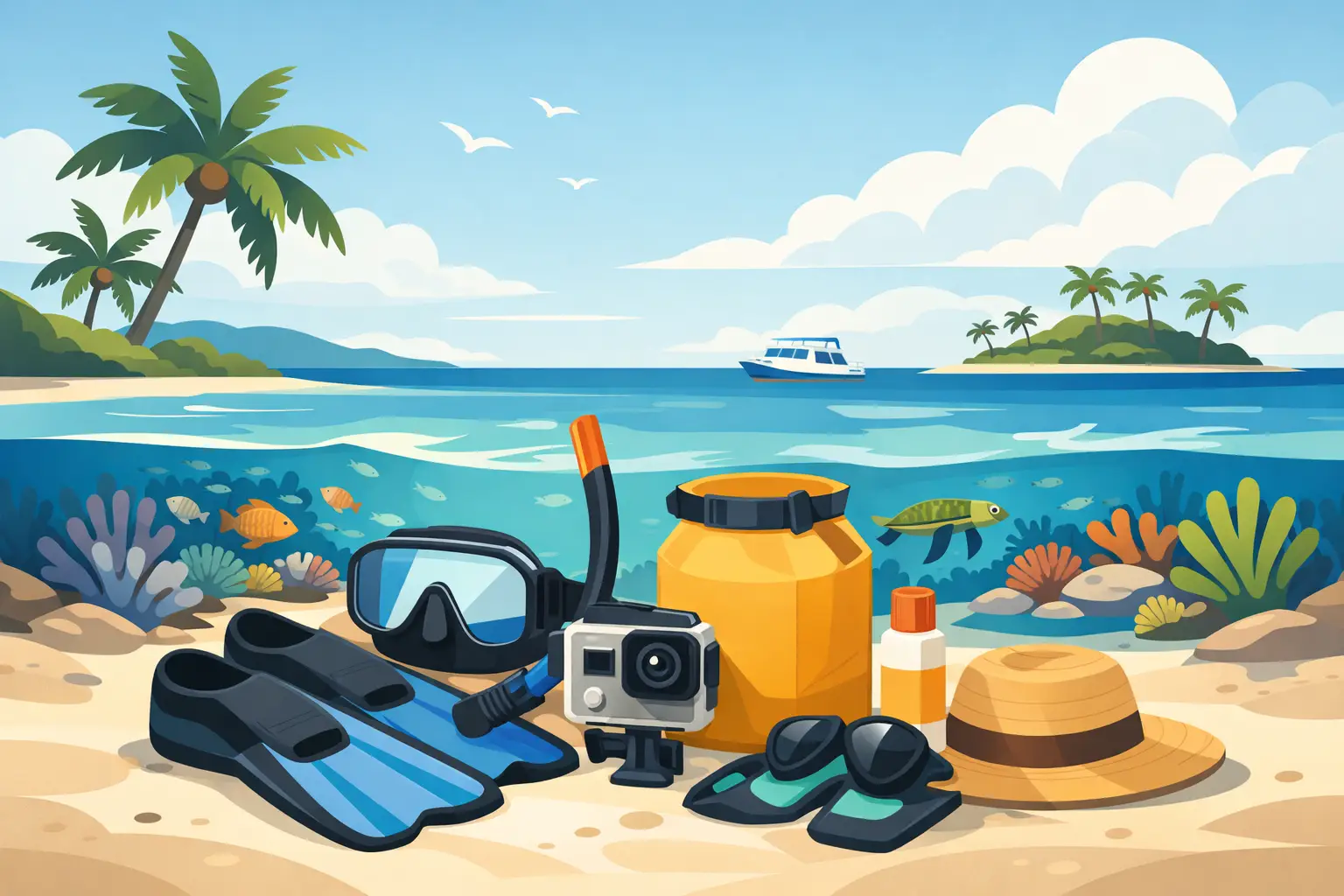
A reef day in The Bahamas can start with bright sunshine, a warm breeze, and water so clear you can spot fish before you even slip in. The secret to enjoying every minute is simple: pack for Bahamas reef snorkeling with comfort, sun protection, and a little boat-day planning in mind. You do not need a suitcase full of gear. You need the right few things, packed where you can reach them.
Whether your day includes a colorful reef stop, a beach break, turtle viewing, or a bucket-list swim with pigs, a smart bag lets you focus on the fun instead of wishing you had brought one more dry shirt or a better sunscreen.
Start With What You Will Wear in the Water
Your swimsuit is the obvious first item, but the best choice is one you can move confidently in. Reef snorkeling means climbing in and out of the water, floating at the surface, and sometimes sitting on a boat between stops. Choose a suit that stays in place and feels comfortable when wet.
A rash guard is one of the most useful additions to your bag, especially for families and anyone who burns easily. The Bahamian sun is beautiful and strong, and shoulders, backs, and the backs of legs can get more exposure than expected while snorkeling. A lightweight long-sleeve rash guard offers coverage without making you feel weighed down.
Water shoes can also be a great call, particularly if your excursion includes a beach landing or a shoreline with shells, rocks, or uneven sand. They are not always necessary for a boat entry at a reef, but they take up very little space and can make walking around more comfortable.
If you have your own mask and snorkel that fit perfectly, bring them. A familiar, well-fitting mask can make a real difference for nervous first-timers or frequent snorkelers. Still, do not feel pressured to buy equipment for one vacation day. Many organized boat excursions provide snorkeling gear, so confirm what is included before packing duplicates.
Pack Sun Protection That Works on a Boat
Sunscreen is essential, but how you use it matters just as much as bringing it. Apply a reef-conscious, broad-spectrum sunscreen before you board, then reapply after swimming and towel drying. Mineral formulas can leave a visible cast, especially in photos, while other formulas feel lighter on the skin. The best option is the one you will apply generously and regularly.
A wide-brim hat or baseball cap is helpful during the cruise, beach stops, and breaks between snorkel sessions. Bring sunglasses with UV protection too, ideally with a strap. Sunglasses have a habit of disappearing overboard when a boat picks up speed or someone turns quickly for a photo.
For full-day adventures, a light cover-up, oversized button-down shirt, or breathable sun shirt earns its place in your bag. It gives you an easy layer when the breeze picks up after a swim and provides extra protection while you relax on deck.
Your Bahamas Reef Snorkeling Bag: Keep It Dry and Simple
A small waterproof dry bag is one of those items travelers appreciate the moment the boat leaves the dock. It keeps phones, wallets, medication, and spare clothes together while protecting them from splashes. A zip-top plastic bag inside a regular tote can work in a pinch, but a proper dry bag is more dependable on a day spent around water.
For most guests, these are the essentials worth packing:
- A towel and a dry change of clothes for the ride back
- Reef-conscious sunscreen, sunglasses, and a hat
- A refillable water bottle, if your tour allows it
- A waterproof phone pouch or floating phone case
- A small amount of cash for personal purchases or gratuities
- Motion sickness medicine if you know you are sensitive to boats
Keep valuables to a minimum. Leave passports, expensive jewelry, and anything you would hate to lose at your hotel whenever possible. A tropical boat day is meant to feel carefree, and carrying less makes that easier.
Bring a Camera Plan, Not Just a Camera
The water around Nassau and the surrounding cays is made for photos: blue water, sandy shallows, coral scenes, and plenty of big vacation smiles. But saltwater and electronics are not a forgiving combination.
A waterproof phone case is an easy option for quick photos from the boat or beach. For underwater shots, use a case rated for submersion rather than a basic splash-proof pouch. If you are bringing an action camera, check its battery, memory card, and waterproof housing before leaving your room. Nothing is more frustrating than seeing a sea turtle glide by while your camera flashes a low-battery warning.
There is a trade-off, though. Spending the entire snorkel trying to capture the perfect video can keep you from enjoying the reef itself. Take a few photos, then put the camera away long enough to look around. The movement of a school of fish and the quiet of floating over coral are often the moments people remember most.
Small Comforts Make a Big Difference
A few compact extras can improve the day without turning your beach bag into luggage. If you wear prescription glasses, consider prescription snorkel lenses or contact lenses if they are comfortable for you. Do not wear regular eyeglasses under a mask.
Bring any personal medication in a waterproof container, along with a small snack if you have dietary needs or children who get hungry between meals. Ask ahead about food and drinks included with your charter, since offerings can vary by itinerary and duration.
If motion sickness is a possibility, prepare before the boat is moving. Medication often works best when taken according to its instructions before departure. Some guests prefer wristbands or ginger chews, but results vary from person to person. Sitting in fresh air, looking toward the horizon, and staying hydrated can help too.
Parents traveling with young children should add a few practical items: kid-sized sun protection, a familiar snack, a spare swimsuit, and a secure flotation device if recommended for their age and swimming ability. A private or semi-private outing can be especially nice for families because the pace can feel more relaxed, but every child should still follow the crew’s water-safety guidance.
What Not to Overpack
You do not need heavy shoes, a large beach umbrella, multiple outfits, or bulky snorkeling gear that has never been tested. Boats have limited personal storage, and simple is usually better. Avoid bringing glass containers, large coolers unless specifically approved, and loose items that can roll or blow around on deck.
Jewelry is another easy item to skip. Rings can slip off in cool water, necklaces can tangle, and watches may not be designed for saltwater. Bring the items that help you feel comfortable, but leave the rest safely behind.
Also, avoid touching, standing on, or collecting anything from the reef. Coral is living and fragile, even when it looks like a solid rock beneath the surface. Keep a respectful distance, follow your guide’s instructions, and let the reef stay beautiful for the next group of visitors.
Let the Crew Handle the Rest
The best boat days have room for a little spontaneity. Weather, tides, and water conditions can shape the order of stops, which is why a knowledgeable local crew matters. They can point out safe entry spots, help with gear, offer guidance for first-time snorkelers, and steer the day toward the best available conditions.
Shore 2 Shore Bahamas is built around those easy, memorable days on the water, pairing famous island experiences with friendly service and safety-focused guidance. Once you have packed the essentials, you can step aboard ready for the part that matters: sunshine on your skin, clear water below, and a reef full of color waiting just beyond the boat.